

HTTP Sniffer MOD APK 2.3.6 (Premium)
⬇ Download APK (16 MB)| Version | 2.3.6 |
|---|---|
| Size | 16 MB |
| Updated | Oct 1, 2026 |
| Category | Tools |
| Requires | Android 7.0 + |
| MOD info | Premium |
| Google Play | com.anetcapture.mock |
MOD features
- Remove Ads
- Premium Version
HTTP Sniffer is a useful tool for anyone who wants to monitor and analyze HTTP requests made when devices connect to online services. This app helps users check information related to requests, responses, and network details, making it ideal for developers, tech students, or anyone wanting to understand how data is transmitted between apps and servers.
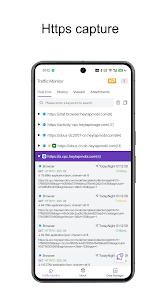
HTTP Sniffer: A Tool for Monitoring and Analyzing HTTP Traffic
HTTP is one of the core protocols used to transfer data between applications and servers. When an app sends a request to a server, important information such as URL, HTTP method, headers, and response data are exchanged.
HTTP Sniffer is designed to help users easily observe these activities through a visual interface. Instead of just seeing the final result in the app, users can explore the underlying details of the data transmission process.
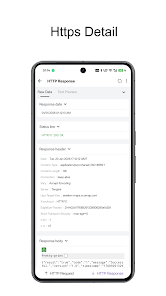
Analyzing Requests and Responses
One of the standout features of this tool is its ability to inspect HTTP requests and responses. Users can examine the information related to sent requests and received server responses.
This information is very helpful during app development and testing. When a request doesn't behave as expected, reviewing the exchanged data can help identify whether the issue lies in the request itself, the server's response, or other factors in the connection.

Support for Learning and Software Development
HTTP Sniffer can be a valuable reference tool for IT students and those exploring computer networking. Observing real HTTP requests helps learners better understand how HTTP works, rather than relying solely on theory.
For developers, monitoring network traffic can assist in debugging APIs and identifying issues related to communication between apps and servers. However, the displayed data depends on the operating system environment and how the app handles connections.
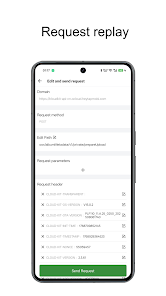
User-Friendly Interface for Data Monitoring
This type of tool typically focuses on presenting network information clearly and structured for easy tracking. Distinguishing between requests, responses, and related components makes the inspection process more intuitive.
For beginners, the technical information can be overwhelming. Therefore, it's best to start with basic elements like HTTP methods, URLs, status codes, and headers before diving into data exchange content.
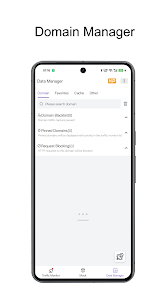
How to Use
Identify Requests to Analyze
First, identify the app or network activity you want to analyze. Then, monitor the requests generated during corresponding operations to understand the connection flow.
Check HTTP Methods
Pay attention to common methods like GET, POST, PUT, or DELETE. Recognizing these methods helps you understand the purpose of each request and how the app communicates with the server.
Monitor Status Codes
Status codes provide important information about request outcomes. Codes in the 2xx group usually indicate successful processing, while 4xx and 5xx codes may relate to client or server errors.
Analyze Headers and Data
After understanding basic requests, you can explore headers and related data components. When used in a development environment, this information can help identify API errors or issues in data transmission.
Privacy and Security Considerations
When analyzing network traffic, users should be especially cautious about sensitive data. Authentication info, tokens, cookies, or personal data may appear during exchanges. Never store, share, or use such data beyond necessary purposes.
Conclusion
HTTP Sniffer is a useful utility for learning and analyzing HTTP traffic in environments that allow inspection. Its ability to track requests, responses, headers, and status codes supports learning, software development, and troubleshooting API-related issues.